Introduction
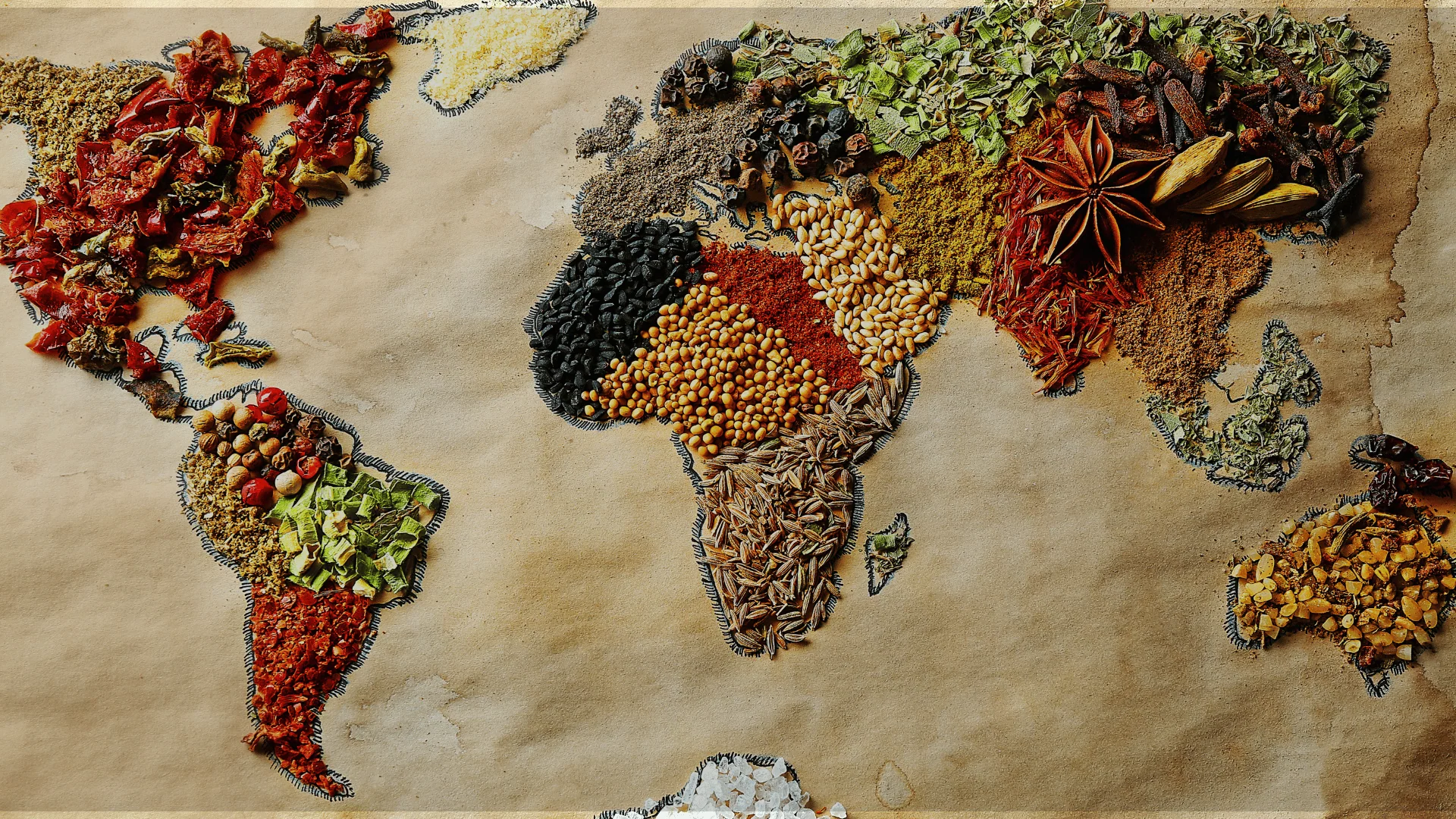
Global demand for natural, flavorful, and authentic food ingredients is rising — and Indian spices and pulses are perfectly positioned to meet this demand. With centuries-old culinary heritage, high-quality produce, and modern processing standards, India is a leading source for spices and pulses worldwide. In 2025, this demand has further grown — driven by food exporters, health-conscious consumers, and global cuisines embracing Indian flavors. Let’s explore why Indian spices & pulses stand out, and why partnering with a supplier like Herbs Harmony could benefit your business.
India’s Strength in Spices & Pulses Export
-
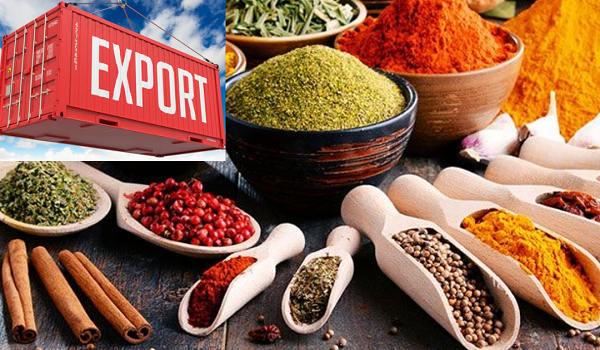
India continues to dominate the global spice market — exporting large volumes of spices such as black pepper, turmeric, cumin, chili, coriander and more. MYGSTRefund+2India Brand Equity Foundation+2
-
The quality and aroma of Indian produce are globally recognized, making them popular with food manufacturers, retailers, and restaurants across the Middle East, Europe, Africa, and the Americas. Ashadhan Exim PVT LTD+2Nakshatra Agro Products+2
-
Demand for clean-label, organic, and natural food ingredients is increasing worldwide — which aligns with the traditional agricultural strengths of India and supports growth in spice/pulse exports. Sahyog Freight+2India Brand Equity Foundation+2
What International Buyers Look for — And How Indian Suppliers Deliver
-
Quality & Hygiene Compliance
-
Export-grade spices and pulses must meet stringent safety norms — including residue limits, microbial safety, purity, and proper packaging. MYGSTRefund+2Tradologie+2
-
Suppliers with advanced processing, cleaning, laboratory testing and certified export readiness offer buyers reliable assurance.
-
-
Consistent Supply & Variety
-
Indian suppliers can offer wide variety — from single spices to mixed pulses — with the capacity to supply bulk orders regularly.
-
This makes India an ideal long-term sourcing partner for businesses needing consistent quality and timely supply.
-
-
Competitive Pricing & Efficiency
-
Thanks to economies of scale, established farming, and efficient processing/export infrastructure, Indian spices & pulses remain competitively priced globally.
-
Exporters familiar with international shipping, documentation, and compliance reduce the risk of delays or rejections.
-
-
Custom Packaging & Bulk Export Options
-
Flexible packaging sizes (bulk sacks, consumer pouches, branded packs) help meet diverse market requirements.
-
This flexibility supports retail distribution, wholesale supply, and private-label export orders.
-
Challenges — And Why Choosing the Right Export Partner Matters
-
Regulatory compliance: Exporting food items requires licenses (like IEC), export permissions, lab testing (for residues, hygiene), phytosanitary certifications, and correct documentation. Indian Rice Exporters Federation – IREF+2Eximpedia+2
-
Quality assurance: Without proper cleaning, grading and testing, there’s risk of contamination or rejection at destination.
-
Consistency & traceability: Buyers increasingly demand transparency — batch numbers, origin, labelling and compliance documentation must be accurate.
By working with a trusted exporter with modern infrastructure and rigorous quality control, these risks are greatly minimized.
Why Herbs Harmony Is Your Ideal Export Partner
-
We combine traditional Indian agricultural heritage with modern processing, quality control and export-ready facilities.
-
Our operations follow strict hygiene, grading and packaging protocols — ensuring that our spices and pulses meet export standards.
-
We offer custom packaging, bulk export readiness, and support for documentation & compliance — making sourcing from us smooth and stress-free.
-
With a wide product range (rice, spices, pulses), we can serve diverse demands — whether retail, wholesale, or export orders.
Conclusion & What to Do Next
As global appetite for authentic Indian flavors grows, the demand for spices and pulses continues to rise. Exporting Indian produce offers immense potential — but success depends on quality, compliance, and reliable sourcing. With Herbs Harmony, you get access to high-quality, export-ready spices and pulses along with professional export support.
Ready to import? Contact us today for product samples, pricing, and export-ready bulk orders.